Budget Review for Fiscal Year 2081/82 (2024/25): Key Insights and Future Prospects
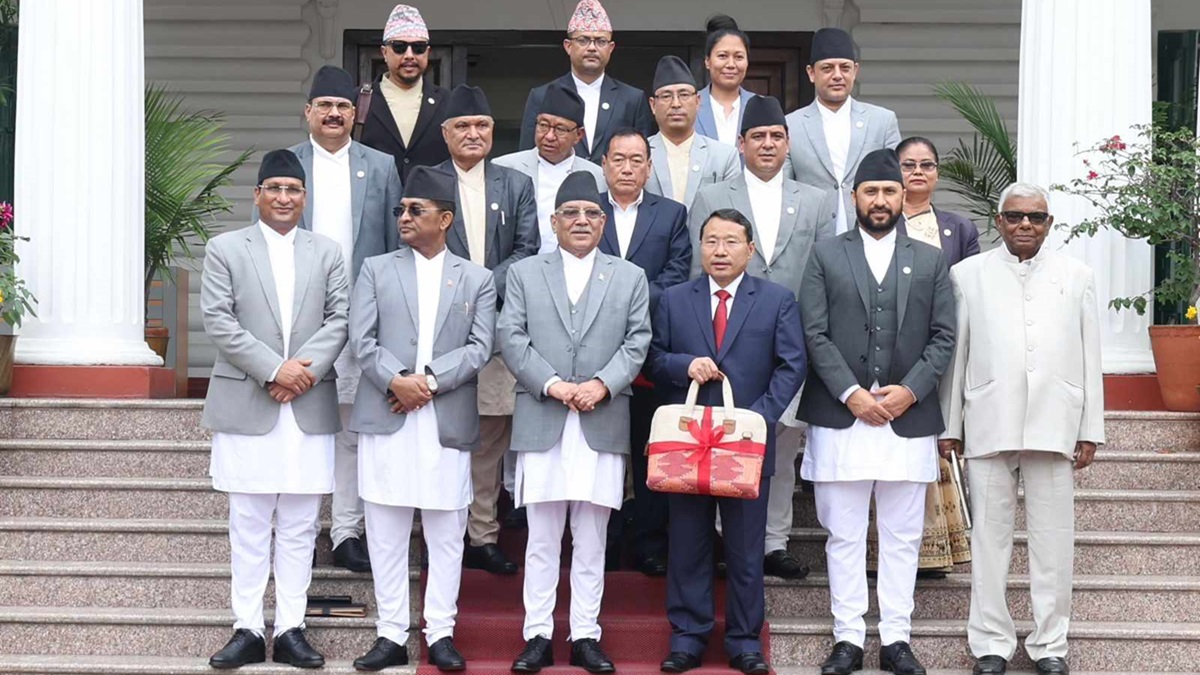
Nepal’s annual budget for the year 2024/25 which is the fiscal year 2081/82 B.S. can be regarded as a step in the right direction considering the current need for economic recovery, growth and modernization in the country. Given the circumstances of global challenges and economic challenges, it is commendable that the government has put in a number of initiatives to promote various sectors such as agriculture, energy, infrastructure, and information technology in order to solve local problems and promote economic development in the future. In this review, we analyze the structure of the budget considering geographical and sectoral distribution, the focus of spending and the trends of the development of the entire national economy, including prospects for its branches and sectors.

Key Sectors and Allocations
1. Agriculture and Food Security Agriculture remains the backbone of Nepal’s economy, contributing significantly to employment and GDP. In recognition of its importance, the government has allocated NPR 57.29 billion to the agricultural sector. The budget prioritizes the commercialization of agriculture, aiming to modernize farming techniques, improve irrigation systems, and enhance food security. Notably, a special emphasis has been placed on providing subsidies to farmers for fertilizers, seeds, and other inputs, aiming to reduce Nepal's reliance on food imports. Despite this, the policy also encourages the import of agricultural products, which could undermine domestic farmers' efforts to compete. To strike a balance, the government aims to boost the agriculture sector's productivity through technology adoption and value chain development.
2. Energy and Infrastructure Development Energy generation, especially through hydropower, has emerged as a critical sector for Nepal’s future economic growth. The fiscal budget for 2024/25 reflects this by allocating significant resources to expand Nepal's energy production capabilities. The goal is to add an additional 900MW to the national grid, thus increasing energy exports, particularly to neighboring countries like India. The government has also allocated resources for infrastructure development, which includes roads, bridges, and transport networks. Investment in infrastructure is seen as a way to improve connectivity within the country and facilitate trade and tourism. However, the slow pace of capital expenditure in previous years has raised concerns about the timely and efficient implementation of these projects.
3. Tourism Development Nepal's tourism sector, a vital foreign currency earner, has been hit hard by the COVID-19 pandemic. The fiscal budget 2024/25 has set aside NPR 11.91 billion for the tourism sector to revive it through various initiatives. Adventure tourism and pilgrimage tourism are identified as key growth areas, with a focus on improving tourist infrastructure, promoting cultural heritage sites, and attracting foreign tourists.
The budget also emphasizes marketing Nepal as a premier tourism destination. A post-pandemic recovery strategy includes engaging the private sector, upgrading hospitality services, and enhancing tourism facilities across the country. However, challenges such as insufficient infrastructure, poor road conditions, and underdeveloped tourism amenities still need to be addressed for the sector to fully recover.
4. Information Technology and Digital Economy The budget highlights information technology (IT) as one of the key drivers of Nepal’s future economic growth. NPR 8 billion has been allocated to the IT sector to foster innovation, promote digital transformation, and boost job creation. Specific initiatives include the development of IT parks, promoting startups, and enhancing internet connectivity in rural areas.
The focus on the digital economy is seen as a way to create new employment opportunities for youth, promote entrepreneurship, and position Nepal as a competitive player in the global digital market. With the right policies and investments, Nepal has the potential to become a regional hub for IT services, but challenges such as the digital divide and limited skilled manpower remain.
5. Entrepreneurship and Private Sector Development The fiscal budget allocates NPR 1 billion for entrepreneurship development, targeting youth engagement in startups and innovation-driven enterprises. This includes the establishment of a youth employment fund, startup incubation centers, and credit facilities for new businesses. The goal is to promote private sector participation in economic activities and reduce unemployment, particularly among the younger generation.
In addition to financial support, the government has outlined plans for reducing bureaucratic hurdles and simplifying procedures for setting up new businesses. However, there remains skepticism about the effectiveness of these measures given Nepal’s longstanding issues with corruption, red tape, and inefficiency in governance.
While the budget outlines an optimistic vision for Nepal’s economic future, several challenges stand in the way of achieving these objectives. The reliance on foreign loans and increasing public debt is a growing concern, especially as debt servicing costs rise. Additionally, low capital expenditure and delays in project implementation continue to hinder the effectiveness of government spending. The contradictory policies seen in the budget, such as increasing taxes on electric vehicles (while promoting environmental sustainability) and encouraging agricultural imports (while subsidizing domestic farmers), point to inconsistencies that could undermine the intended outcomes. To realize the full potential of the fiscal budget, the government will need to address these contradictions and improve policy coherence.

The government has estimated to target an inflation rate of 5.5% which is quite a difficult target in the present state of the world economy. There are likely to be inflationary pressures due to the cost of importing goods, variations in fuel prices, and the destitution of the Nepali rupee. It would be necessary to develop appropriate fiscal and monetary policies that will promote a country’s economic growth while controlling inflation, more so on the management of public expenditure and efficient tax collection. Public debt which is hovering at an average of 40 percent of GDP tends to be another headache. Whereas Nepal has been receiving soft loans from external institutions, this may pose a debt risk for future borrowing. To decrease the risk, the government should concentrate on raising internal revenue by utilizing the tax since that is the external source of income, and increasing the scope of the tax.
The fiscal budget of Nepal for the year 2024/25 proposes an ideal and realistic economic growth rate with agriculture, energy, tourism and IT as the driving sectors. The budget meets a number of the country’s dominant challenges but there are several critical factors that may curtail its effectiveness such the government efficiency at executing projects, the management of public debt and macroeconomic stability. These are pretty much the areas that will determine the future of the Nepali economy and how well these challenges will be addressed and more importantly, the political will of the government to develop an environment conducive to sustainable growth and development.