Soaring Gold & Silver in 2025: Nepal in the Bullion Spotlight

Except for being glittering metals, this year gold and silver are front-page macro assets. Gold and Silver have reached historic heights in 2025, driven by a mixture of safe-haven demand, changing central-bank reserves, plush real interest rates and tight supply. The bullion has been rediscovered as insurance against uncertainty in the world. And in Nepal, where gold and silver are not only the main source of cultural capital and financial capital but also the primary sources of volatility: house prices are setting records, volatility is high, and households are acting differently. The article maps the global forces, unravels the unique dynamics in Nepal and outlines in practice implications and scenario directions in 2025-26.
The International Bullion Renaissance
A perfect mix of tailwinds
The reinforcing forces that make the precious-metals story of 2025 are the following:
- Safe-haven flows: Geopolitical tension, sovereign debt concerns and regular equity withdrawals are driving capital to assets that are seen to be strong during crisis situations. Gold comes first in these situations. On the other hand, silver is more volatile but it enjoys the halo effect.
- Softer real yields: The opportunity cost of the non-yielding asset will decrease when inflation increases faster than the policy rates or when there is rise in the expectation of the rate-cut. That skews the portfolios towards gold, and to a lesser degree, silver.
- A weaker dollar impulse: A weakening U.S. dollar is likely to favour dollar commodities. This currency tailwind makes bullion attractive to the non-U.S investors.
- Central-bank accumulation: Reserve managers, particularly in the emerging and frontier markets are moving away from a single-currency concentration. That high demand that is steady and large-ticket, offers a structural floor beneath gold.
- ETF inflows and momentum: Exchange-traded funds backed by gold are still receiving funds and the investor mood is reflected in the demand of the physical gold. The momentum traders will create further demand once major price ceilings are broken.
- Constrained supply growth: The number of giant discoveries has fallen, the quality of ore has gone down and the cost of extraction and compliance has risen. All these create hindrances on how fast the mined supply can react. In the case of silver, silver mining is in many instances a by-product of other metals, thus it becomes less responsive.
- Upgraded forecasts: With prices marching to new highs, large institutions increased their forecasts. The change of direction of guidance contributes to a cycle of belief and placement.
The role of silver
Silver tends to lag during the beginning of bull cycles and then outperform the gold percentage wise when maturity of the move sets in. Silver’s path is characterized by two major differences:
1. Industrial demand: Silver is required in solar panels, electronics and various applications of electrification and green-tech applications. As the manufacturing cycles pick up, demand for silver reaches new heights through combined investment demand and industrial demand.
2. No central-bank backstop: Compared to gold, silver does not benefit the systematic central bank purchasing. That causes its rallies to be sharp, but its corrections to be sharper too. Silver is thus a more bullish precious-metal.
Nepal Market: Macro Collides with Culture
Nepal has gold and silver integrated in its social structure including weddings, festivals, religious practices, and intergenerational transfer of wealth. That cultural anchoring demonstrates that domestic demand does not act as a financial market; it is calendar dependent and culture dependent. In 2025, this cultural beat has come into conflict with the world bull market, giving the dramatic swings in the rupees and in tola-quoted prices.
The reason why the surge is larger in Nepal
Increases in gold and silver price in Nepal tend to be sharper than global changes. The structural causes of the same are:
- Import dependency: Nepal depends on imports of bullion in an overwhelming manner. All the levels of customs duties, logistics, insurance, financing and risk premium of smuggling deterrence are superimposed on the world standard price.

- Currency dynamics: When Nepali rupee is weak, the landed price of dollar priced gold increases. Though there may be a global price level, the domestic prices can be boosted by depreciation; as the two move in the same direction and the impact is multiplied.
- Thin local liquidity: Domestic market is more or less fragmented. Having less large market-makers and little depth, the price change disseminates rapidly and spaces broaden during volatile sessions.
- Limited hedging tools: In the absence of such a rich futures/options infrastructure for local participants, dealers and jewelers endure rather than hedge during global shocks. The inventory gets repriced at a rapid rate to control risk.
- Inventory and capital costs: Stock holding requires secure storage, insurance and working capital. When a market is experiencing a high rate of growth, dealers maintain margins through aggressive prices. In reality, it may translate to sharper spikes on the uphill climb and at other times, air bubbles on the downhill one.
The 2025 pattern on the ground
Within 2025, domestic boards have been flashing all time high numerous times. There are actually corrections - that are happening sometimes in days - but the overall trend is upwards. Silver is in its usual place in the party with its usual velocity, i.e. big up-days when industrial headlines are doing well, and big pullbacks when risk appetite is dwindling. The overall impact on the households is unquestionable: ornaments, wedding sets, and silver are materially more costly than they were even a year before.
How Households and Investors Are Adapting
Changing buying behaviors
In the case of quickly running prices, household calculus is altered:
- Downshifting designs: Purchasers choose lighter designs, lower-gram items or delayed purchases. Jewelers are inclined towards craftsmanship which does more with less in raw weight.
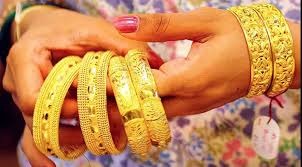
- Old-gold recycling: The families take heirloom products to be recast or sold, crystallizing profits. This secondary supply at times cushions the shortage of retail during festivals.
- Staggered purchases: Families make multiple small purchases over weeks instead of making one big purchase in order to average their entry price and to decrease the misery of having to be at the wrong place at the wrong time.
Gold as Security and Current Assets
Gold is also being accepted by the banks and finance companies as collateral. That transforms dormant assets held in lockers into operating cash to small businesses, students and households that need to meet the ends of their cash-flow. Loan-to-value ratios are more promising in a year of upsurge in prices, but borrowers should still take into consideration volatility and margin-call risk in sudden changes.
The Jeweler's Balancing Act
The retailers have a triple challenge of inventory cost, price transparency, and customer trust. Communication is essential with repricing on a daily basis and intraday fluctuations over vast distances. There are those who have tilted towards the buy-back guarantees, open making fee and purity assurances to raise confidence and retain footfall levels during sticker shock.
Strategy: What It Means to Play Smart
1. Bullion should not be a hero bet, it should be treated like a diversifier
The use of gold is portfolio insurance: it insures against inflation, currency shocks and tail risks. That is a case of cautious investment, rather than a bet-the-farm one. To individuals, a disciplined range, which is age and risk-dependent, goal-oriented, is superior to the ad-hoc impulse buying.
2. Respect the cycle- get in tranches
The chances of pullback increase after huge advancements. Entry timing (by period of time) as well as calendar timing (around great celebrations) are de-timed to minimize timing risk. When momentum is active, the position is accumulated; when a correction occurs, the average cost will become better.
3. Take into consideration the reality frictions
Storage, insurance, locker charges and opportunity cost of tied-up capital does not amount to nothing. When you finance a purchase, you incur interest expenses on top of the real price and you must be realistic regarding holding periods.
4. Divorce decoration and investment
Jewelry requires making fees and a design fee you will not receive wholly back. Bars/coins are cleaner in case the objective is exposure to a portfolio. When the object is decoration and culture, indulge in it, but do not expect equal returns.
5. Be even more considerate of silver
Silver can give you big returns at the end of cycles -but it also drops. In the case you are interested in the thematic exposure (solar, electronics) and the volatility of the metals is not as important to you, then you should think through how one of the equity proxies or the diversified funds will be more appropriate to your risk profile than silver.
Prognosis: Base, Bull and Bear Trajectories
Global scenarios
-
Base case: Real rates are calmed down slightly, the dollar is held within the range, and purchase by the central-bank is sustained. Gold prices surge slowly and silver shows trend with bursts of volatility. Periodic corrections reset prices but fail to sever the uptrend.
- Bull case: Macro stress persists, the rate of policy drop is more than the rate of inflation and the reserve diversification is quickened. Gold runs to new records and possesses them. Likewise, silver goes over thanks to an associated upturn in industrial demand.
- Bear/correction case: The dollar strengthens, real yields increase or risk palms bounce back to equities. Gold corrects the market but silver corrects even more noticeably. The long term thesis survives and the road gets rocky.
Nepal-Specific Paths
-
Smooth ascent: Constant import regime and stable rupee ensure domestic premiums are capped. Prices remain elevated in line with international trends, with the increase in the festival season being taken up by the secondary supply which is improved.
- Overshoot: The global move is intensified by currency pressure or alterations in policies. Domestic tola quotes would surge above global rates. Families put off non essential purchases; there is an increase in recycled gold.
- Stop-start: Rumours of regulatory changes, or quotas modified, cause periodic tightness, followed by a sigh of relief. Whipsawing price boards weekly. Experienced consumers are relying on tranching; jewelers carry less inventory.
Practical Playbook for 2025-26
1. Define your "why": Do you purchase on the basis of culture, savings or portfolio insurance? The correct product (jewelry vs bar/coin), purity and budget is determined by clarity on purpose.
2. Fix a band, not a point: Choose a target range of allocating to bullion and not one figure. Take off when you are out of the band - apply dips, clip on ecstatic spikes.
3. Split execution: Apply between two and four tranches per week or month. Do not make an important tranche on any dates that are significant to you (festivals, weddings) unless that is what you intend to do. Also, do not allow the calendar to make you decide badly.
4. Plan storage and liquidity: In case you may require money in the course of the year, do not tie up money in poor liquidity forms. Inquire about locker options or custodians whom one can trust in case the holdings are bulky.
5. For silver, right-size: Silver is to be treated as a satellite allocation. Learn to take swings and learn not to respond to each headline.
The Bottom Line
The 2025 rush of gold and silver is not a coincidence; it indicates paradigmatic changes in the way the world values risk, inflation, currency and security. Bullion has reasserted itself as a portfolio shock absorber world wide. The dependence on imports, currency factor, cultural demand, and relatively thin market structure contribute to the effect in Nepal. The outcome: high record prices, rapid repricing and actual adjustments in the household purchasing and saving plans.
The following year will reward perhaps the only type of investor, one who can capitalize on the cultural sense and macro awareness, one who is able to see the glow and not be dazzled by it. This time around: 2025 will be kind to those who can.